Choosing a direction is not a one-time decision, but a process built on observation, practice and analysis of the child’s behavior. We do not choose a path “by eye” and we do not rely only on tests. The foundation is a comprehensive assessment: how the child thinks, how they act, where they show stable interest and in which tasks they achieve the best results.
The first stage is diagnostics. We assess the level of preparation, thinking patterns and perception of information. It is important not only what the child knows, but also how they learn. This is directly connected with the concept of learnability — the ability to master new skills and adapt to tasks.
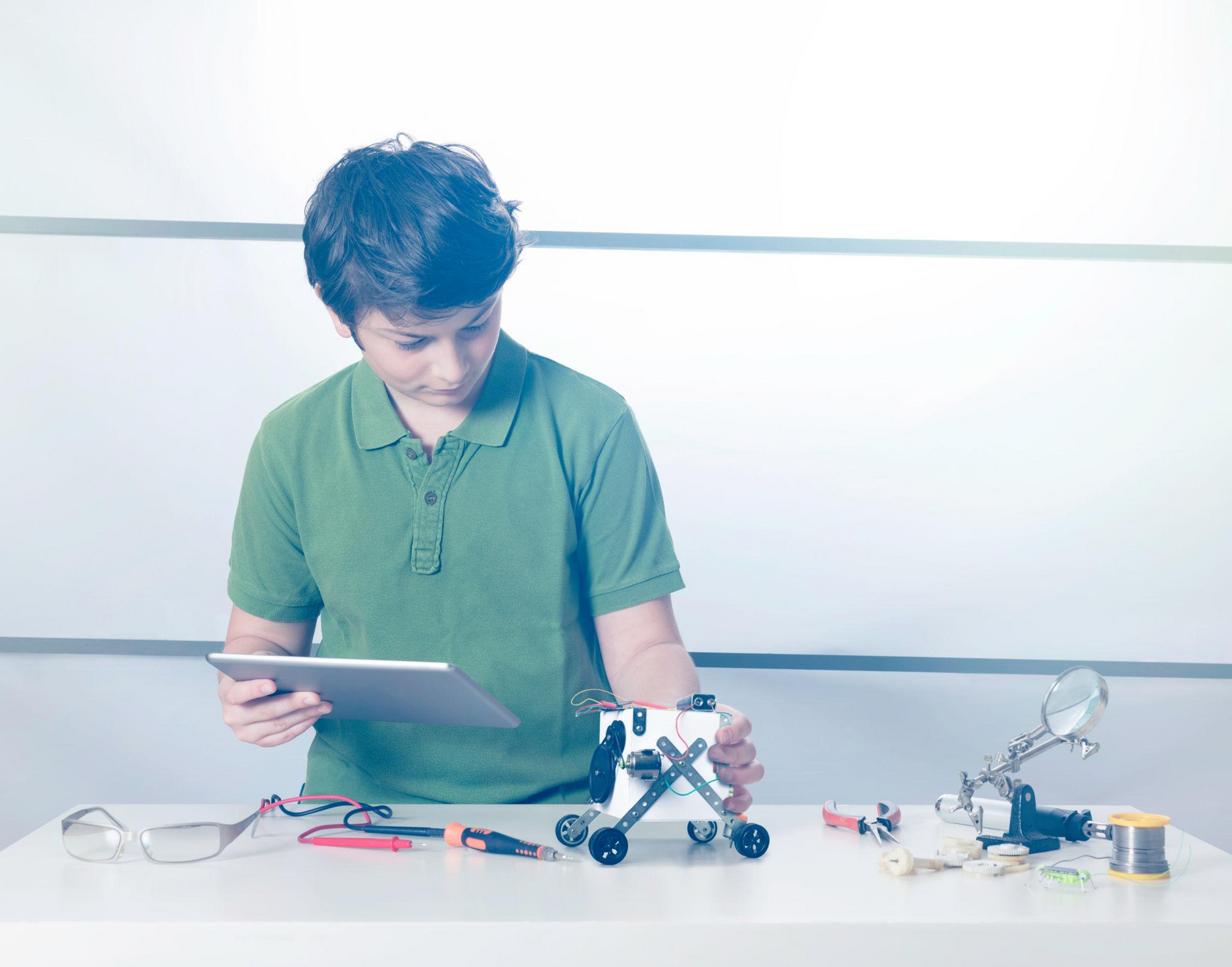
Next comes practical immersion. The child tries the direction in a real format: completes assignments, interacts with a mentor and faces tasks close to real life. It is through action that it becomes clear whether there is a response, whether attention turns on and whether inner motivation appears.
The next step is analysis. We look not only at the result, but also at the dynamics: how quickly the child becomes involved, how they react to difficulty and whether they want to continue. This gives a much more accurate understanding than any formal tests.
Only after that is a decision made. We choose a direction and learning format in which the child will be able not just to “study,” but to develop and show results. At the same time, it is important that the choice always remains with the student and parents, while our task is to give the most accurate recommendation based on real data.
This approach helps avoid random decisions and allows a child to find their direction faster through experience, not guesses.
The first stage is diagnostics. We assess the level of preparation, thinking patterns and perception of information. It is important not only what the child knows, but also how they learn. This is directly connected with the concept of learnability — the ability to master new skills and adapt to tasks.
Next comes practical immersion. The child tries the direction in a real format: completes assignments, interacts with a mentor and faces tasks close to real life. It is through action that it becomes clear whether there is a response, whether attention turns on and whether inner motivation appears.
The next step is analysis. We look not only at the result, but also at the dynamics: how quickly the child becomes involved, how they react to difficulty and whether they want to continue. This gives a much more accurate understanding than any formal tests.
Only after that is a decision made. We choose a direction and learning format in which the child will be able not just to “study,” but to develop and show results. At the same time, it is important that the choice always remains with the student and parents, while our task is to give the most accurate recommendation based on real data.
This approach helps avoid random decisions and allows a child to find their direction faster through experience, not guesses.