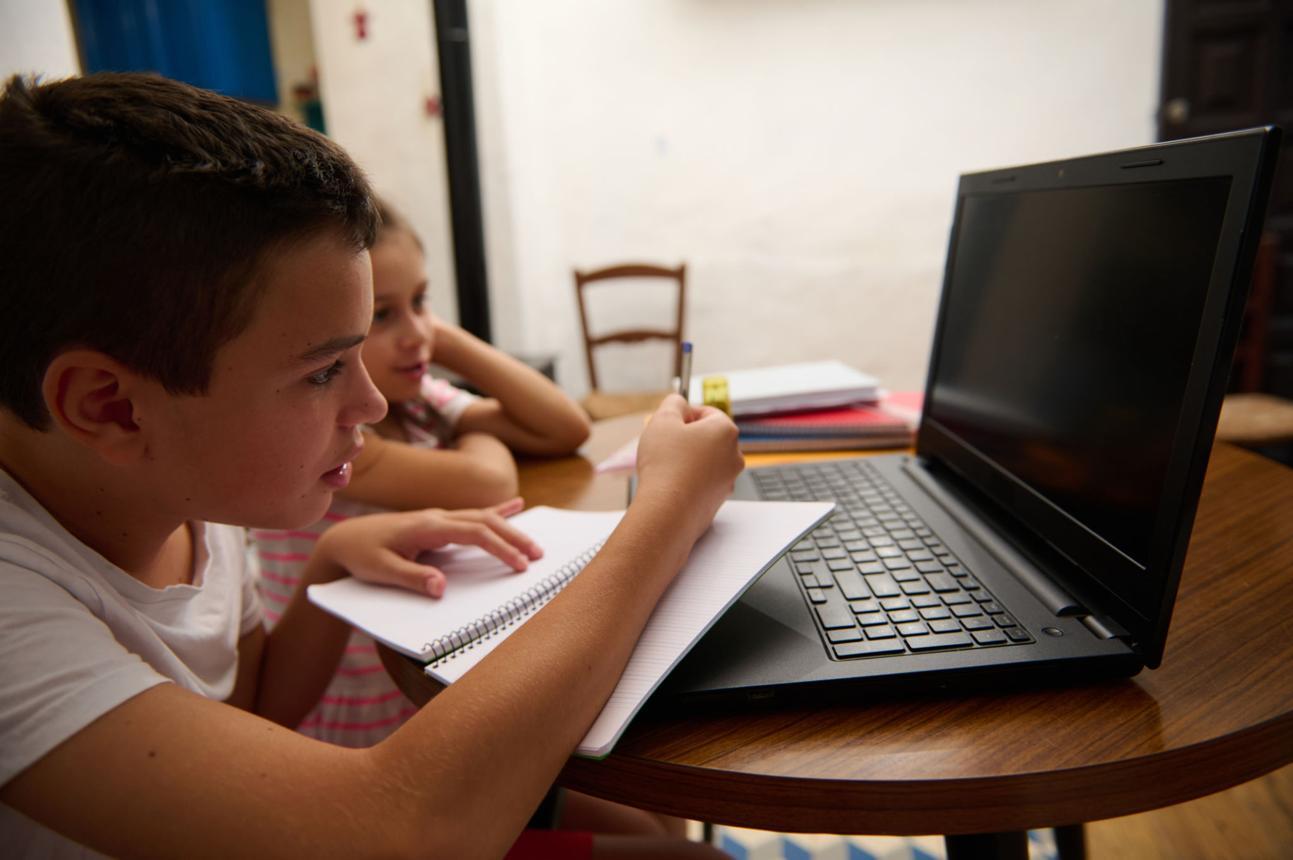
Today’s children are growing up in a completely different information environment than previous generations. They interact with technology every day, have access to a huge amount of information and are used to switching quickly between tasks.
This does not make them worse or better. It makes them different. That is why teaching methods that worked effectively twenty years ago do not always bring the same results today.
Modern children need to understand the practical value of knowledge. It is easier for them to absorb information through projects, visual materials and real-life tasks. When learning becomes an active process, engagement increases significantly.
In addition, new generations get used to searching for information independently much faster. This requires the development of critical thinking and the ability to analyze sources, not simply memorize facts.
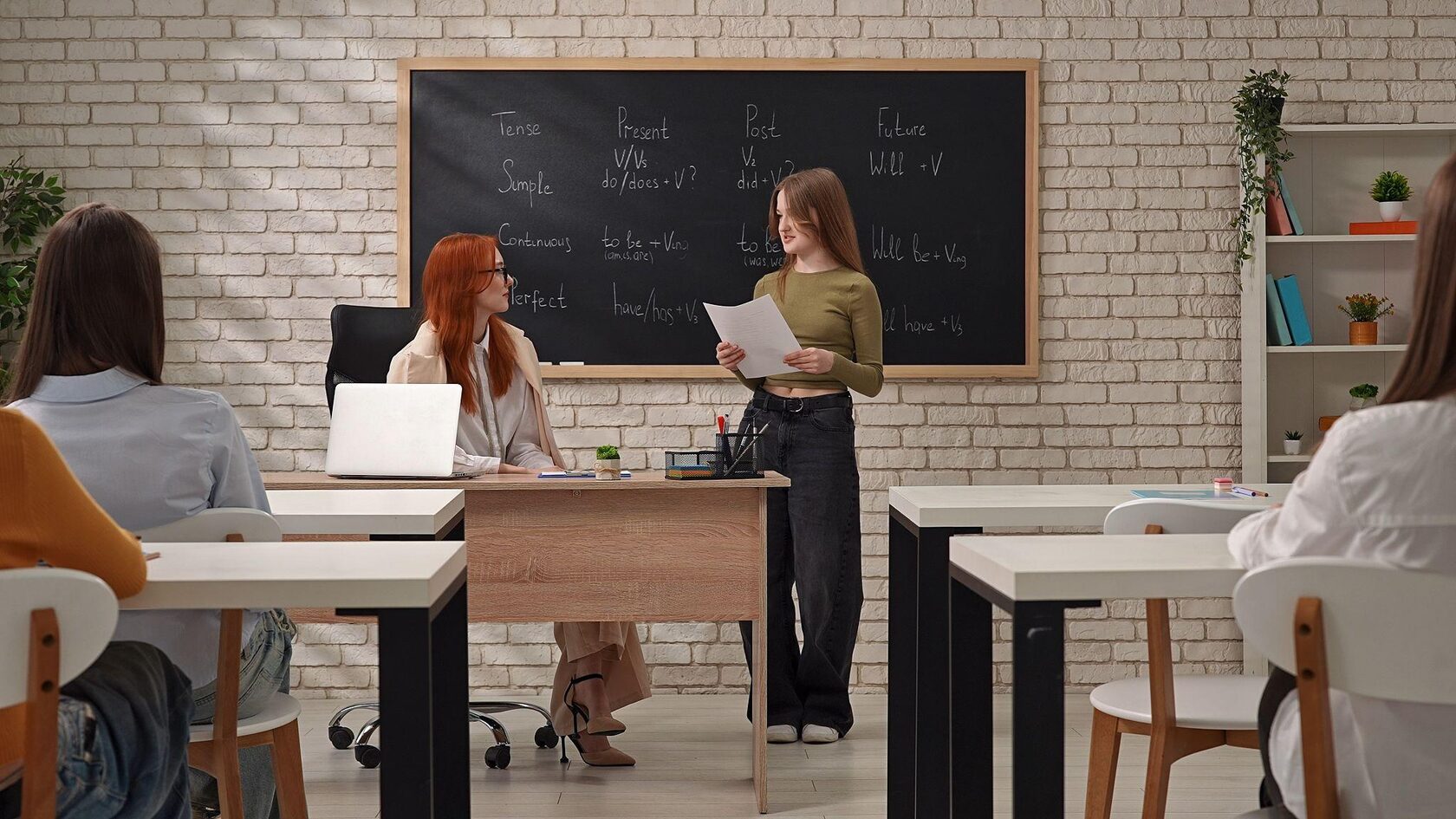
That is why modern education increasingly focuses on skills, practice and the child’s active participation in the learning process.
This does not make them worse or better. It makes them different. That is why teaching methods that worked effectively twenty years ago do not always bring the same results today.
Modern children need to understand the practical value of knowledge. It is easier for them to absorb information through projects, visual materials and real-life tasks. When learning becomes an active process, engagement increases significantly.
In addition, new generations get used to searching for information independently much faster. This requires the development of critical thinking and the ability to analyze sources, not simply memorize facts.
That is why modern education increasingly focuses on skills, practice and the child’s active participation in the learning process.