Confidence is not an innate quality and not the result of motivational phrases. It is a skill formed through experience, repetition and confirmation of one’s own abilities.
The foundation of confidence is what is called self-efficacy — a person’s belief that they are capable of coping with a task. This mechanism was described in detail in the work of Albert Bandura and has been confirmed by many studies. Self-efficacy forms only in one case: when a person gains real experience of successful action.
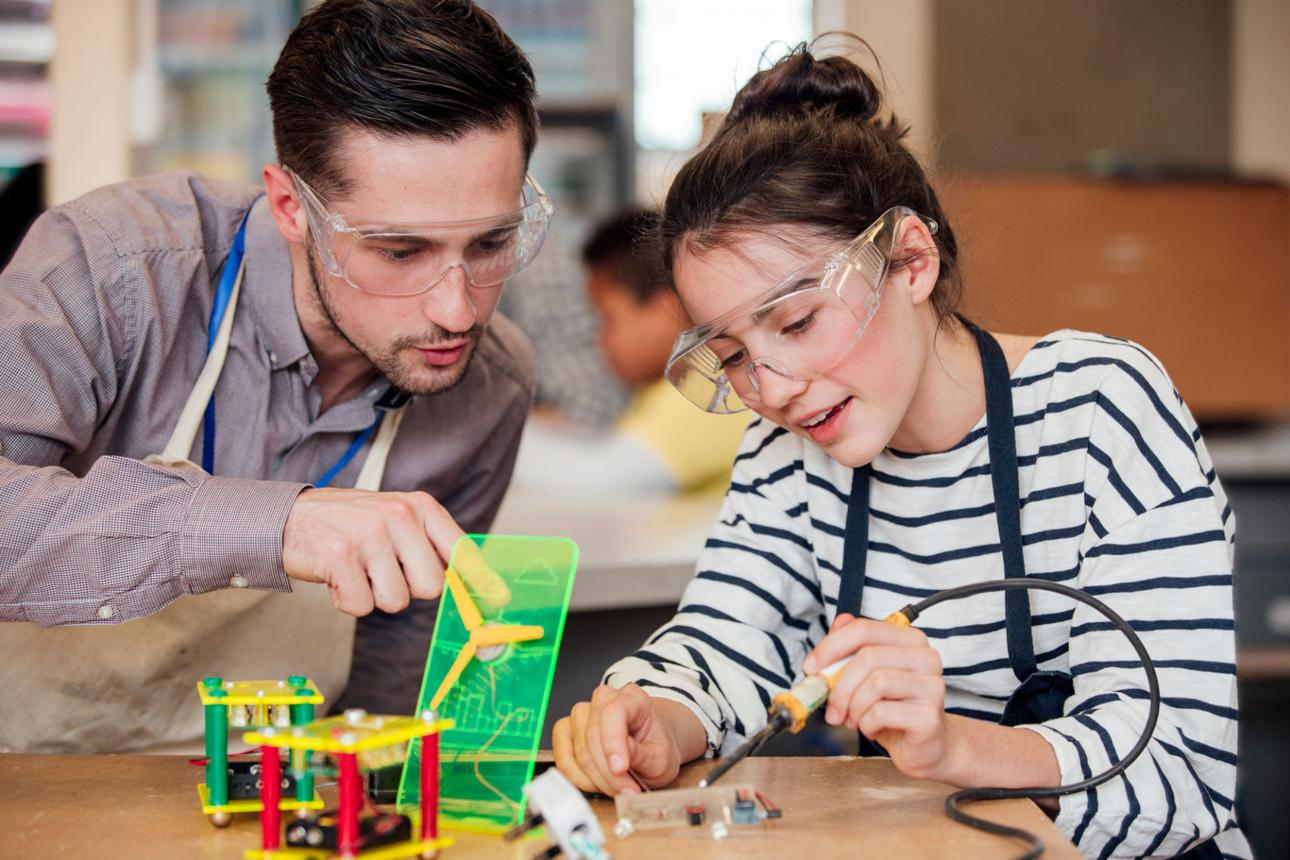
For a child, this means a simple thing. They become more confident not when they are praised, but when they do something and succeed. Even small but real results gradually form inner support.
Task difficulty plays an important role. If tasks are too easy, there is no growth. If they are too difficult, the child may refuse to continue. The optimal level of difficulty creates a state of involvement that psychologists call “flow.” It is in this state that the maximum development of skills and consolidation of confidence take place.
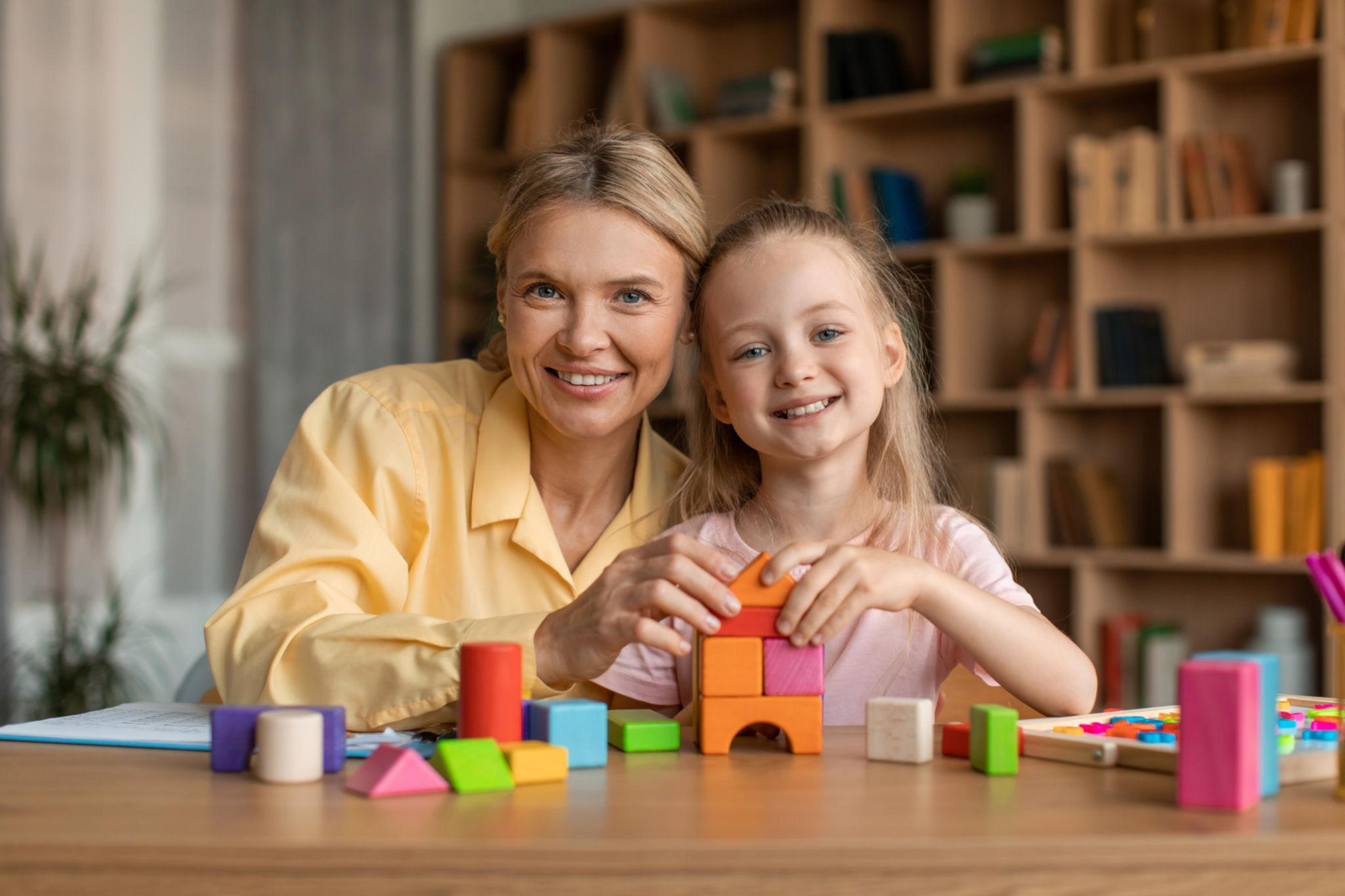
A supportive environment is no less important. The child must understand that a mistake is part of the process, not a reason for judgment. In such conditions, anxiety decreases and the willingness to try again appears.
Thus, confidence forms through a sequence: action, result, repetition. When a child regularly sees that they can succeed, they begin to perceive themselves and their abilities differently.
And this becomes the foundation not only for learning, but for their entire future life.
The foundation of confidence is what is called self-efficacy — a person’s belief that they are capable of coping with a task. This mechanism was described in detail in the work of Albert Bandura and has been confirmed by many studies. Self-efficacy forms only in one case: when a person gains real experience of successful action.
For a child, this means a simple thing. They become more confident not when they are praised, but when they do something and succeed. Even small but real results gradually form inner support.
Task difficulty plays an important role. If tasks are too easy, there is no growth. If they are too difficult, the child may refuse to continue. The optimal level of difficulty creates a state of involvement that psychologists call “flow.” It is in this state that the maximum development of skills and consolidation of confidence take place.
A supportive environment is no less important. The child must understand that a mistake is part of the process, not a reason for judgment. In such conditions, anxiety decreases and the willingness to try again appears.
Thus, confidence forms through a sequence: action, result, repetition. When a child regularly sees that they can succeed, they begin to perceive themselves and their abilities differently.
And this becomes the foundation not only for learning, but for their entire future life.