Most parents look for a “talent” in their child as if it were a fixed given. But modern psychology has long shown that abilities are not only innate qualities, but a dynamic system formed through experience, environment and learning.
When I work with children, I always pay attention not only to the result, but also to behavior. The most accurate tool for primary diagnostics is observation. What a child does without pressure, where they keep their attention longer and what they return to on their own is most often the zone of their natural potential.
It is important to understand that interest is not simply “liking” something. It is a reaction of the psyche and nervous system to the match between a task and the child’s inner abilities. At that moment, attention, memory and thinking become more active, which means learnability is formed — the ability to quickly and effectively master new skills.
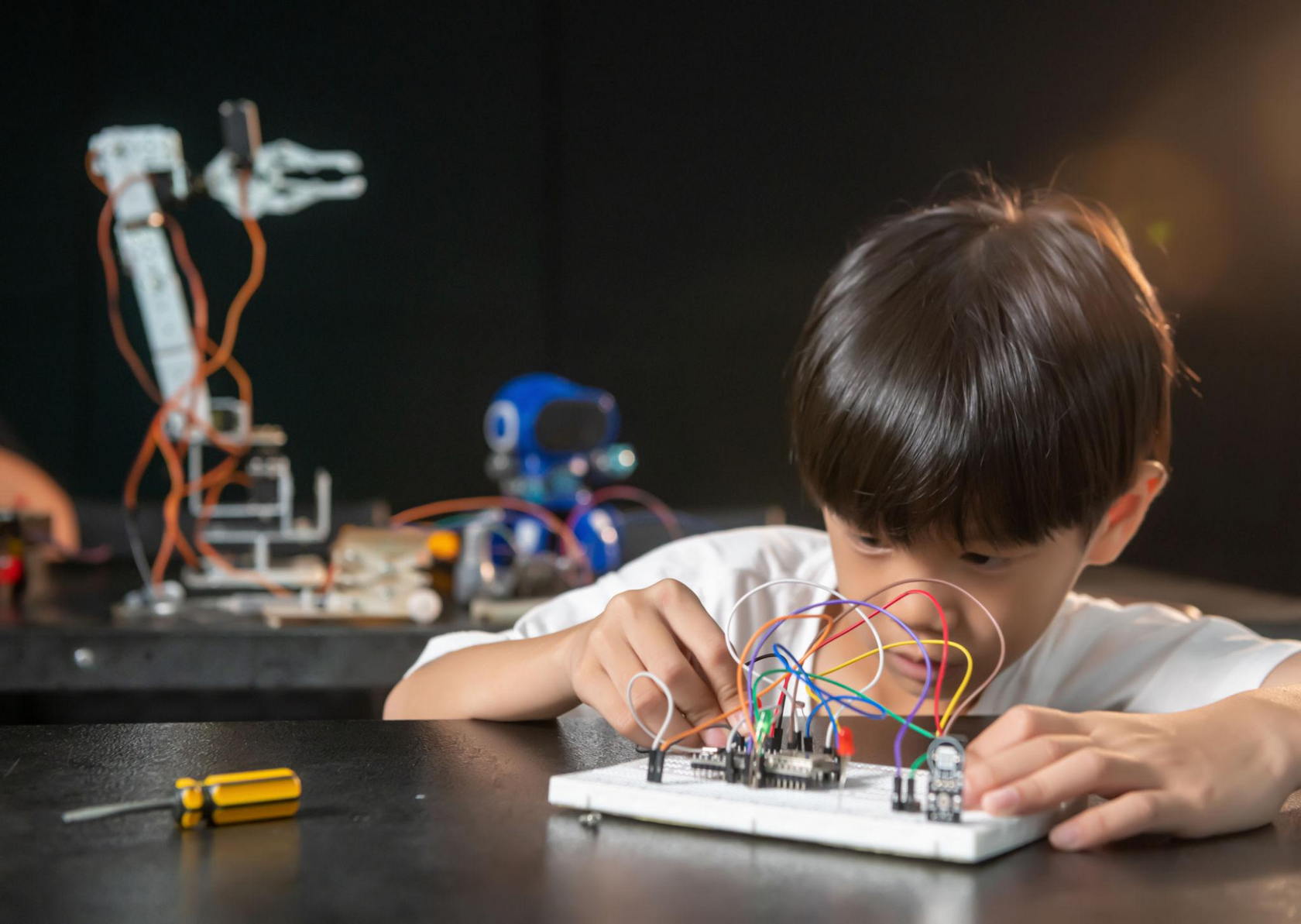
Another important point is variety of experience. Abilities reveal themselves only through attempts. Until a child has tried different formats, it is impossible to understand exactly where their strength lies. That is why, in practice, real actions, assignments, projects and immersion in a new environment are much more important than tests alone.
Age should also be mentioned separately. Interests and strengths may show brightly in early childhood or later. This is normal. Abilities are not something fixed once and forever. They can strengthen, unfold gradually or, on the contrary, remain hidden without a suitable environment.
The main mistake parents make is trying to determine a child’s path only through logic: tests, expectations or someone else’s advice. But abilities are revealed not through thinking, but through action. A child begins to understand themselves only when they try, do, make mistakes and receive feedback.
Therefore, it is more correct to ask not “what abilities does my child have?”, but “under what conditions can these abilities appear?” The adult’s task is not to guess everything for the child, but to create an environment where they can try, compare, see their results and gradually find their direction.
This is when the most important thing happens. The child does not simply discover an interest. They begin to understand themselves, their strengths and their real potential.
When I work with children, I always pay attention not only to the result, but also to behavior. The most accurate tool for primary diagnostics is observation. What a child does without pressure, where they keep their attention longer and what they return to on their own is most often the zone of their natural potential.
It is important to understand that interest is not simply “liking” something. It is a reaction of the psyche and nervous system to the match between a task and the child’s inner abilities. At that moment, attention, memory and thinking become more active, which means learnability is formed — the ability to quickly and effectively master new skills.
Another important point is variety of experience. Abilities reveal themselves only through attempts. Until a child has tried different formats, it is impossible to understand exactly where their strength lies. That is why, in practice, real actions, assignments, projects and immersion in a new environment are much more important than tests alone.
Age should also be mentioned separately. Interests and strengths may show brightly in early childhood or later. This is normal. Abilities are not something fixed once and forever. They can strengthen, unfold gradually or, on the contrary, remain hidden without a suitable environment.
The main mistake parents make is trying to determine a child’s path only through logic: tests, expectations or someone else’s advice. But abilities are revealed not through thinking, but through action. A child begins to understand themselves only when they try, do, make mistakes and receive feedback.
Therefore, it is more correct to ask not “what abilities does my child have?”, but “under what conditions can these abilities appear?” The adult’s task is not to guess everything for the child, but to create an environment where they can try, compare, see their results and gradually find their direction.
This is when the most important thing happens. The child does not simply discover an interest. They begin to understand themselves, their strengths and their real potential.